Inicijativa za akademiju solidarnosti i epistemičke pravde poziva na peto u seriji predavanja i razgovora unutar programa Konferencija za Palestinu:
About the lecture:
In May 1947, the newly formed General Assembly of the United Nations was tasked with investigating the ongoing crisis in Palestine and, if possible, devising a solution concerning the future government. To this end, the UN established the United Nations Special Committee on Palestine (UNSCOP), made up of representatives of eleven countries, including the Federal People’s Republic of Yugoslavia, to investigate the facts on the ground and make their recommendations to the General Assembly. While the recommendation drafted by the committee, today remembered as the UN Partition Plan for Palestine, is frequently invoked by scholars and activists seeking to understand the ongoing conflict, what is forgotten is that there was no consensus on the notion of partition. This paper explores the work of UNSCOP, with a special emphasis on the alternative proposal, drafted by the representatives of three of the committee’s members (Yugoslavia, Iran, and India), and the wartime and post-war experiences of these three member states that made them skeptical of partition.
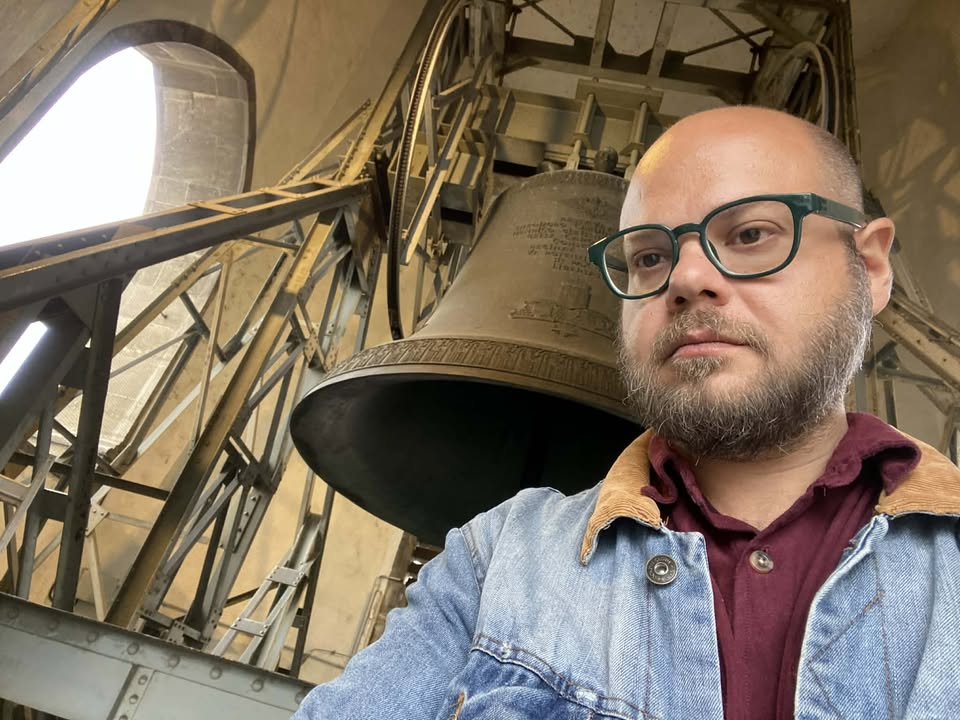
Kevin Kenjar is a linguistic and sociocultural anthropologist working on nationalism, language ideologies, religious and ethnic diversity, and cuisine. He graduated from UC Berkeley in 2020, and his dissertation, a micro-history of one Sarajevo intersection, is the basis of his forthcoming book, “The Street Corner that Started the 20th Century.” He is currently a postdoctoral researcher at the University of Rijeka, as part of the ERC research group “REVENANT – Revivals of Empire,” as well as the founder of the Naan-Aligned culinary movement based at the Island School of Social Autonomy on the Adriatic island of Vis.